For centuries, cheesecloth has been a humble yet indispensable tool in kitchens and workshops around the world. Far more than just a fabric for making cheese, this versatile cotton mesh is a multi-purpose hero for straining, cooking, baking, and even crafting. If you've ever wondered about the different types, grades, and best uses for cheesecloth, you're in the right place. This guide will walk you through everything you need to know to select and use the perfect cheesecloth for any task.
What is Cheesecloth and What Are Its Primary Uses?
At its core, cheesecloth is a lightweight, gauzy cotton fabric with an open weave. Its primary historical use was, as the name suggests, in cheesemaking to drain whey from curds. However, its utility extends far beyond the dairy. In the kitchen, it's perfect for straining stocks and broths to achieve crystal-clear consommés, bundling herbs for a bouquet garni, or wrapping a turkey to keep it moist during roasting (a technique popularized for cooking turkey). For home juicers, it's an excellent juice straining tool to separate pulp from liquid. Bakers use it for draining yogurt to make Greek-style yogurt or labneh. Its role as a culinary cloth is truly unmatched.
Understanding Cheesecloth Grades: Why Grade Matters
Not all cheesecloths are created equal. They are categorized by grades, which indicate the tightness of the weave and the number of threads per inch. The most common grades you'll encounter are 10, 40, 50, 60, 80, 90, and 100.
- Lower Grades (10-60): These have a very open weave and are best for light filtering, wrapping produce, or crafts.
- Medium Grades (80-90): A good all-purpose choice for general kitchen straining and bundling.
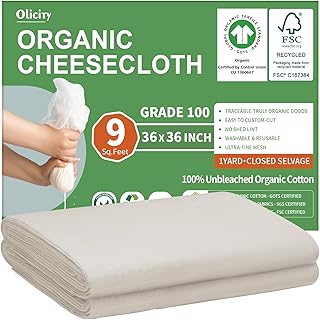
- Grade 100 Cheesecloth: This is the finest, densest weave available, often called "butter muslin." It's ideal for tasks requiring no sediment passage, such as making soft cheeses like ricotta, straining fine particles from nut milks or clarified butter, and any application where you need an ultra-fine cheese cloth. Most serious cooks and cheesemakers prefer Grade 100 for its superior performance.
For a deep dive into the specifics, check out our detailed Grade 100 Cheesecloth guide.
Key Features to Look for in Quality Cheesecloth
When shopping for cheesecloth, several features distinguish a good product from a great one:
Material: Always opt for 100% cotton. It's food-safe, absorbent, and durable. You'll choose between unbleached (natural beige) and bleached (white). Unbleached is preferred by many as it hasn't been treated with chemicals, making it a purer choice for food grade fabric.
Edges: Look for hemmed or closed edges. This prevents fraying, makes the cloth more durable for multiple uses, and is a sign of a quality product. A reusable cheesecloth with hemmed edges will last much longer than a raw-cut piece.
Certifications: For the most natural option, seek out GOTS (Global Organic Textile Standard) certified cloths. This guarantees the organic status of the cotton from harvest through environmentally and socially responsible manufacturing. An excellent example is this GOTS Certified Organic Cheese Cloth.
Size and Pack Count: Cheesecloth comes in precut squares or by the yard. Precut packs are incredibly convenient. For instance, a 6-pack of 20x20 inch cloths or a 10-piece set offers great value and readiness for various tasks.
Top Cheesecloth Picks for Every Need
With so many options, here are a few standout products for different purposes:
For the Serious Cheesemaker or Purist: The Cotton Farm Grade 100 XL Cheese Cloth is a top choice. Its 36x36 inch size and ultra-dense weave (true butter muslin) make it perfect for demanding cheese making and fine straining.
For Everyday Kitchen Versatility: A High-Grade 100 Cheesecloth 6-Pack provides excellent quality in a convenient, reusable format. Similarly, the classic GoodCook Everyday Cotton Cheesecloth is a reliable, affordable workhorse available in most stores.
For Crafting and Multi-Use Projects: Larger packs like the 12-piece reusable set are ideal for those who use cheesecloth frequently for DIY crafts, holiday decorations, or as craft supplies.
Care and Tips for Reusable Cheesecloth
To get the most out of your reusable cheesecloth, proper care is key. After use, rinse it immediately under cold water to remove food particles. For stubborn stains or odors, soak it in a solution of baking soda and water. You can then hand-wash or machine wash it in a lingerie bag on a gentle cycle with mild detergent. Avoid fabric softeners. Always air dry. With proper care, a high-quality cheesecloth can be used dozens of times, making it an economical and eco-friendly choice.
Whether you're a seasoned chef, a home cheesemaking enthusiast, or a creative crafter, having the right cheesecloth on hand opens up a world of possibilities. By understanding the grades, materials, and features, you can confidently choose a product that will become a trusted cooking essential in your home. For more detailed comparisons and cheesecloth reviews, explore our comprehensive Ultimate Guide to Cheesecloth.